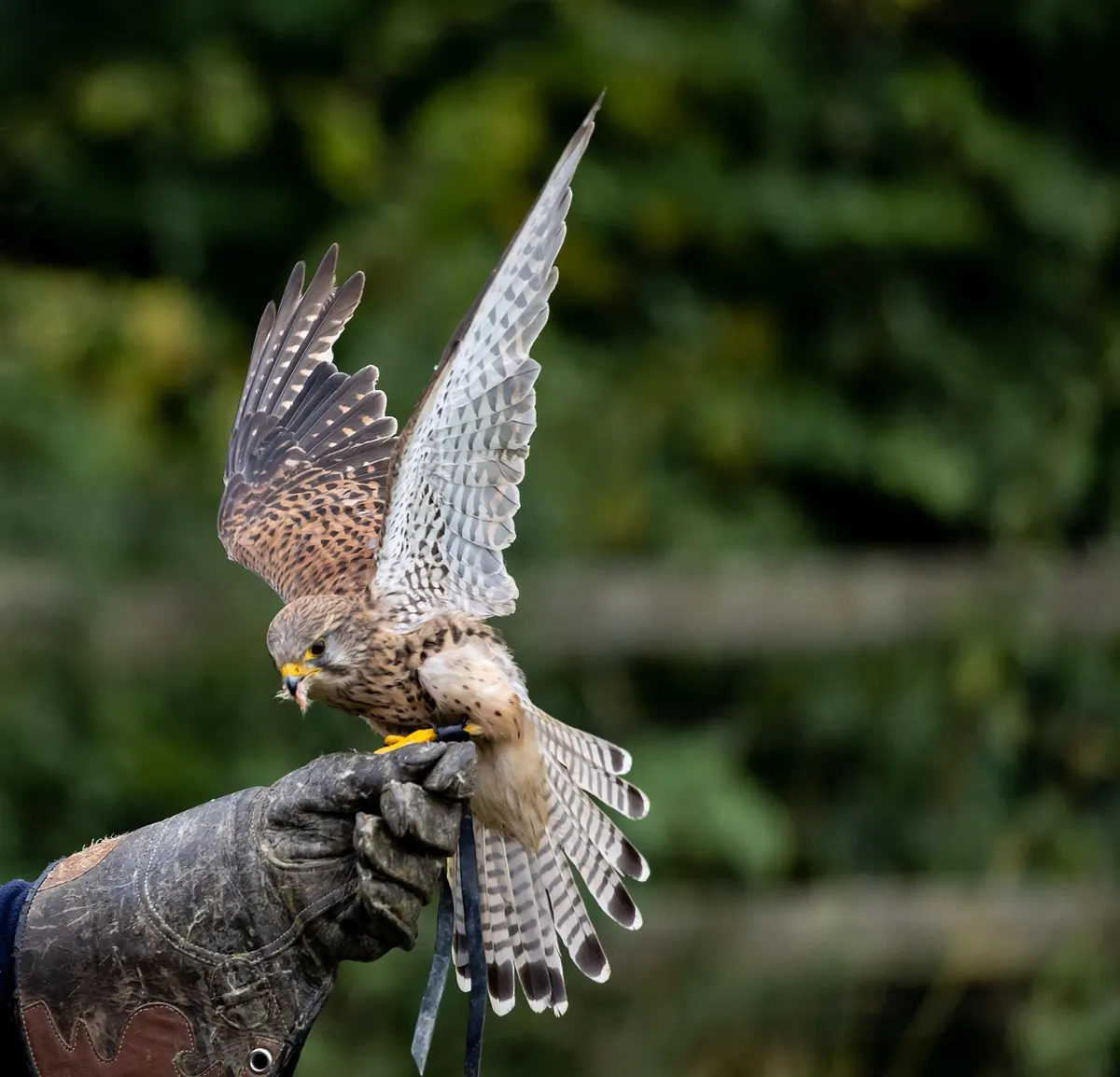
A hen harrier working a moor in April is one of the great sights of the British uplands. Low, buoyant, quartering the heather with that unmistakable flick-and-glide, then gone behind a bank of peat. That the bird is still so scarce across large parts of England and southern Scotland — and still the subject of licensing rows, court challenges and parliamentary debate — says something about how long this argument has run. For anyone who keeps birds of prey, the hen harrier matters twice over: as a conservation cause, and as a legal weathervane for how the rest of us are likely to be treated.
Why the Hen Harrier Still Sets the Temperature
Hen harriers are red-listed in the UK and among our most heavily monitored raptors. They nest on the ground, which makes them vulnerable to disturbance, flooding and predation, and they rely on exactly the kind of open moorland and rough grazing that is also managed for red grouse.
The core of the conflict is illegal killing. Successive Birdcrime reports from the RSPB and prosecutions in Scotland have shown that harriers, along with peregrines and goshawks, are still being shot, trapped and had their nests destroyed on and around driven grouse moors. Sit with that for a moment: a fully protected bird, in a landscape with suitable habitat, effectively held at a fraction of what the ground could support.
The Legal Position in Plain Terms
All wild birds in Great Britain are protected under the Wildlife and Countryside Act 1981. Hen harriers carry the extra protection of Schedule 1, which means it is an offence to intentionally or recklessly disturb them at or near an active nest — and that applies to photographers, surveyors and keepers as much as anyone else.
Taking a harrier from the wild, keeping one without lawful authority, or possessing eggs is illegal. If a bird comes into your hands — found injured, grounded, or handed over by a member of the public — you cannot simply decide to keep it. Rehabilitation and any period of captivity require a licence from the relevant statutory agency: Natural England, NatureScot, Natural Resources Wales, or DAERA in Northern Ireland. Those licences are time-limited and normally tied to release.
Licensing: Grouse Moors, Brood Management and What's Changing
Scotland has moved furthest. The Wildlife Management and Muirburn (Scotland) Act introduced licensing for grouse shooting and for muirburn, tightened the rules around wildlife traps, and gave additional investigative powers to inspectors. In England, ministers have repeatedly signalled that some form of moorland licensing is coming; the detail, timing and scope are still shifting, so check the current position with Defra and Natural England rather than relying on anything you read second-hand.
Running alongside that is brood management. Under a licensed trial, hen harrier eggs or chicks have been removed from nests on participating grouse moors, reared in captivity and released back into suitable habitat. It is genuinely controversial, and a legal challenge saw the licence withdrawn and then reissued on revised terms. Whatever your view, the practical lesson is that harrier work now happens inside a paper trail.
Typical conditions attached to harrier-related licences and management agreements include:
- Nest monitoring and protection carried out only by Schedule 1 licence holders
- Diversionary feeding during the breeding season to reduce predation pressure on grouse chicks
- Satellite tagging and prompt reporting of tagged birds and any losses
- Brood management — licensed removal and captive rearing of chicks
- Written records and reporting back to the regulator, with compliance as a condition of holding the licence
What This Means for Raptor Keepers
Most falconers and aviculturists will never hold a hen harrier, and that is not the point. The point is that harrier persecution has put every captive raptor under a brighter light. Expect closer scrutiny of stock, rings and paperwork — and expect the rules you already follow to be enforced rather than tolerated.
Some species must be close-ringed, marked and registered on the government scheme when kept in captivity, and the categories matter. Species listed under the CITES-derived Annex rules need the right certificates for sale, transfer or commercial use. If you are unsure which category your birds fall into, that uncertainty is itself the risk.
Two areas catch keepers out most often. First, rehabilitation: a licensed rehabber may hold a bird temporarily, but a keeper who "helps out" without a licence is committing an offence, however good the intentions. Second, keeping records. If an inspector asks where a bird came from, a dated ring number, a breeder receipt and a certificate will end the conversation quickly. A vague story will not.
Practical Housekeeping for Keepers
- Audit your paperwork now, not when asked. Rings, certificates, receipts and movement records, all matching the birds in front of you.
- Check your species lists. Confirm which registration and certificate requirements apply to each bird you keep, and note it somewhere you will find it again.
- Keep a simple movement log. Date, bird, ring number, counterparty, reason. Breeders who do this are the ones who sail through enquiries.
- Never accept a wild-taken bird or one with unclear origin. There is no version of that ending well.
- Get licensed advice before any rehab work. Speak to the statutory agency first, then a solicitor if there is any doubt about possession.
- Read and respond to consultations. Defra and NatureScot consultations on licensing and wildlife management are open to keepers, and the falconry voice is often absent from them.
If you find a downed or injured hen harrier, do not attempt to treat or retain it. Note the location and time, contact a licensed rehabber or the relevant agency, report any ring or wing-tag to the BTO, and report suspected persecution to the police on 101 (or 999 if a crime is in progress) and to the RSPB's wildlife crime line. If a bird is brought to you, involve the agency before you take it into your facilities.
Keeping Your Ownership Beyond Question
The hen harrier debate is really about evidence: tagged birds, licence conditions, records, prosecutions that stand up. That logic will keep spreading across raptor keeping. Tidy your rings, files and movement records this season — before anyone asks — and you will have nothing to fear from a licensing review, a police enquiry or a knock at the door. Where possession, licensing or potential prosecution is involved, take proper legal advice rather than a forum thread.
Photo: ABeijeman / Pixabay